
arti·fi·cial in·tel·li·gence [ˌɑːtɪfɪʃl ɪnˈtɛlɪdʒ(ə)n(t)s]
noun
artificial intelligence (noun)
AI (noun)
artificial intelligences (noun)
The application of computer systems able to perform tasks or produce output normally requiring human intelligence, especially by applying machine learning techniques to large collections of data.
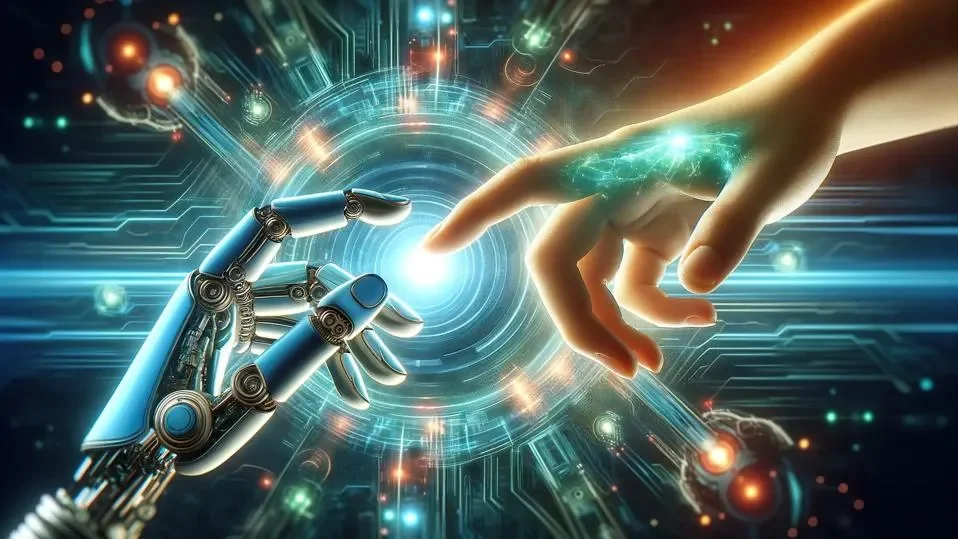
Written by Kacey Konwiser, LPC, ACS, January 2026
I’d like to highlight the phrase “normally requiring human intelligence.”
During a meeting in which AI was discussed, I found myself going through a myriad of emotions. When I gathered them all together, I was surprised to find that my thinking seemed to resemble a person who is resistant to change and technology. Like an old fart complaining about “those damn kids these days”, “what would I ever need a mobile phone for”, and “talkie movies will never make it big”.
Ok, I’m not actually that elderly.
A bigger take away was I seemed a little afraid. Afraid of what? Not being able to keep up, finding myself redundant, wondering if intelligence and personality were going to be replaced? There is already an AI app for counseling. No actual person needed in order to express yourself, just confiding in “an application of computer systems,” which tells you what you should work on.
Just to dwell on this area for a moment, these were my pros and cons.
Pros: no imagined or real judgement; no driving; no appointment time to adhere to; no dealing with “I have nothing to say today” or “I have too many things to do.” Feel like you need a quick check in? There you are.
Cons: if I don’t really understand what’s going on with me or why I act the way I do, why does the AI know? I’m my own accountability.
However, I know that is really not what we were discussing in this meeting. We were discussing the uses of AI for our ever evolving counseling profession, which can be helpful on the side of note taking, letter writing. To me, it has little to do with my relationship with my client and more to do with the “powers that be” (aka the ones who love the paperwork).
I'm a huge Carl Rogers fan, as well as Solution Focused Therapy, and an Imago Marriage Counselor. I’m all about the relationship with the client - it’s all the rage now, have you heard?
Maybe this is “rambling” (and yes, I hear others saying “Kacey, what’s your actual point?”), but maybe this is the point in a nutshell:
Some of us get to the point.
Some of us ramble.
Some of us say nothing.
Some of us feel shame,
some of us are confident,
some of us procrastinate.
Some of us are organized, traumatized, stuck, caught, happy, sad, anxious, depressed - all the time, none of the time, some of the time.
And I think people go to counseling to be heard and to make sense of all the noise in their heads.
My usual stance with clients is to let them know that I don’t know anything about them until they tell me. Then, I try to figure out what it’s like to be them - how do they think, operate, respond, screw up and straighten out. Even if they come for several weeks at a time, telling the same story, what it says to me is that they don’t feel heard yet, and if I listen, each time they actually tell me something just a little different. However, I have to be with them in order to catch it.
Doesn’t AI say it can do the same thing? Input, output.
Looking back and thinking about the beginnings of virtual sessions: did we make it work? Sure. Do I like it? *Perhaps*. But like virtual sessions, AI has reinforced to me that the atmosphere that is created in your counseling room is (or can be) part of the relationship that creates trust, openness and breakthroughs. Can it be done through a screen? Sure. Is it the same? *Perhaps*.
That, I think, is how I feel about AI.
It's very useful as long as we don’t leave ourselves and our clients behind. Being human is really hard; technology can make it better, even enhance it. However, that relationship, being heard, having someone help you realize that all your moods, feelings and responses, make up who you are. And what you do is too valuable to be replaced. We help our clients make sense of their lives. Can technology do that? I’m hoping the answer is no. Compose a letter? Write the perfect note? Knock yourself out, AI.
Just please don't let the pursuit of quick answers — the avoidance of learning, struggling, educating, and enjoying — lead to a new diagnosis that bypasses the vital journey of self-discovery. We should hold onto, as Elizabeth Gilbert says, "this glorious mess that we are".
